

Sarcopenia Treatment Market to Reach US$5.0 Bn by 2033 at 5.7% CAGR | Persistence Market Research
sarcopenia treatment market
The sarcopenia treatment market focuses on interventions, supplements, and therapies to manage age-related muscle loss and improve elderly health.
LONDON, UNITED KINGDOM, March 4, 2026 /EINPresswire.com/ -- The global sarcopenia treatment market is projected to expand from US$ 3.4 billion in 2026 to US$ 5.0 billion by 2033, registering a CAGR of 5.7% during the forecast period. Growth is primarily driven by rapid population aging, rising prevalence of muscle loss disorders, and growing awareness of preventive healthcare strategies. Sarcopenia, characterized by progressive loss of skeletal muscle mass and strength, is increasingly recognized as a major contributor to frailty, falls, disability, and hospitalization among older adults. North America currently leads the market due to strong clinical awareness and advanced geriatric care infrastructure, while Asia-Pacific is emerging as the fastest-growing region supported by demographic expansion and improving healthcare access.
Download Your Free Sample & Explore Key Insights: https://www.persistencemarketresearch.com/samples/15694
Market Dynamics
Driver – Rising Clinical Awareness and Standardized Diagnosis
Growing clinical recognition of sarcopenia as a diagnosable and manageable condition significantly supports market expansion. The condition affects nearly 10% of adults over 60 globally, with prevalence rising to as high as 50% among individuals over 80. Adoption of standardized diagnostic frameworks by international expert groups has enabled more consistent screening of muscle mass, strength, and physical performance in clinical settings. Increased screening in hospitals, nursing homes, and community care facilities has amplified demand for nutritional interventions and supportive therapies. Healthcare systems are integrating sarcopenia assessments into geriatric protocols, reinforcing preventive approaches and encouraging early intervention.
Restraint – Lack of Approved Pharmacological Therapies
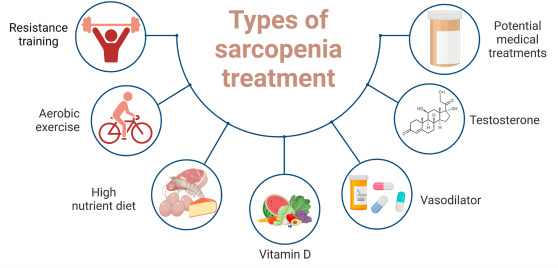
Despite its recognition as a disease entity with an ICD-10 code, no drugs are currently approved by regulatory authorities specifically for sarcopenia treatment. Agencies such as the United States Food and Drug Administration and the European Medicines Agency have not yet authorized a therapy formally indicated for sarcopenia. Clinical development efforts involving anabolic hormones, selective androgen receptor modulators, and growth factors have produced inconsistent functional outcomes or safety concerns. This regulatory gap limits pharmaceutical investment and restricts standardized pharmacotherapy adoption, leaving exercise and nutrition as primary management strategies.
Opportunity – Prescription-Grade Nutraceutical Development
Significant opportunity exists in the development of clinically validated, prescription-grade nutraceuticals targeting muscle health. Randomized trials demonstrate that protein-based multinutrient supplementation improves handgrip strength, gait speed, and skeletal muscle mass index in older adults. High-quality protein sources enriched with essential amino acids show measurable benefits in preserving muscle mass and reducing sarcopenia risk. These findings create a strong commercial foundation for targeted formulations positioned between conventional supplements and pharmaceutical therapies. Integration with digital muscle health monitoring and personalized nutrition platforms further enhances growth potential, especially in emerging economies with expanding elderly populations.
Get Custom Insights Designed for Your Business: https://www.persistencemarketresearch.com/request-customization/15694
Category-wise Analysis
By Treatment
Protein supplements dominate the market, accounting for 44.5% share in 2025. Adequate protein intake is essential to counteract age-related declines in muscle protein synthesis. Older adults typically require 1.0–1.2 g/kg/day or higher protein intake to maintain muscle health. Whey, milk-derived, and amino-acid enriched formulations offer convenient and effective options to stimulate muscle protein synthesis. Their affordability, accessibility, and proven clinical benefits support their leading market share. Vitamin D and calcium supplements also contribute significantly due to their role in muscle function and fall prevention.
By Route of Administration
Oral administration represents the dominant route, aligning with the widespread use of dietary supplements and nutritional products. Oral protein, vitamin D, and multinutrient formulations ensure direct nutrient absorption, high patient compliance, and cost efficiency. Compared with injectable or investigational therapies, oral delivery is less invasive and more accessible, particularly for elderly populations managing multiple chronic conditions.
Regional Insights
North America
North America holds approximately 38.1% of the global market share in 2025. The United States drives regional dominance through strong clinical research, advanced healthcare infrastructure, and high adoption of medical nutrition. Established geriatric assessment frameworks and widespread supplement utilization further strengthen market leadership.
Europe
Europe represents a substantial share of the sarcopenia treatment market, supported by rapid demographic aging and structured preventive healthcare systems. Countries including Germany, France, and the United Kingdom integrate muscle health assessments into primary care. Rising elderly populations and projected prevalence increases exceeding 60% by 2045 are expected to sustain regional demand for nutritional and therapeutic interventions.
Asia-Pacific
Asia-Pacific is the fastest-growing region due to accelerating population aging and improving healthcare affordability. China alone accounts for over 200 million individuals aged 65 and above, significantly increasing demand for muscle health solutions. Expanding geriatric programs and rising awareness of age-related muscle decline contribute to rapid market penetration of supplements and supportive therapies.
Competitive Landscape
The competitive environment includes major healthcare and nutrition companies focusing on protein-based formulations, vitamin D products, and advanced nutraceutical pipelines. Key players include Nestlé Health Science, Abbott Laboratories, Sanofi S.A., Novartis AG, Eli Lilly and Company, Amgen Inc., Pfizer Inc., Regeneron Pharmaceuticals, Inc., MyoPax GmbH, Biophytis, Epirium Bio, BPGbio, Inc., and Lipocine. These companies emphasize innovation in muscle-targeted nutrition, clinical validation, and integration of preventive healthcare strategies to strengthen their market positions.
Checkout Now & Download Complete Market Report: https://www.persistencemarketresearch.com/checkout/15694
Market Segmentation
By Treatment
Protein Supplements
Vitamin B12 Supplements
Vitamin D & Calcium Supplements
Others
By Route of Administration
Oral
Parenteral
Enteral
By Distribution Channel
Hospital Pharmacies
Drug Stores & Retail Pharmacies
Online Pharmacies
By Region
North America
Europe
East Asia
South Asia & Oceania
Latin America
Middle East and Africa
Read Related Reports:
Artificial Saliva Market: The artificial saliva market is set to grow from US$1.3 billion in 2026 to US$3.2 billion by 2033, registering a CAGR of 14.2%.
Rheumatoid Arthritis Treatment Market: The rheumatoid arthritis treatment market is projected to grow from US$32.7 billion in 2026 to US$48.2 billion by 2033, at a 5.7% CAGR.
Persistence Market Research
Persistence Market Research Pvt Ltd
+1 646-878-6329
email us here
Visit us on social media:
LinkedIn
Instagram
Facebook
YouTube
X
Legal Disclaimer:
EIN Presswire provides this news content "as is" without warranty of any kind. We do not accept any responsibility or liability for the accuracy, content, images, videos, licenses, completeness, legality, or reliability of the information contained in this article. If you have any complaints or copyright issues related to this article, kindly contact the author above.
